
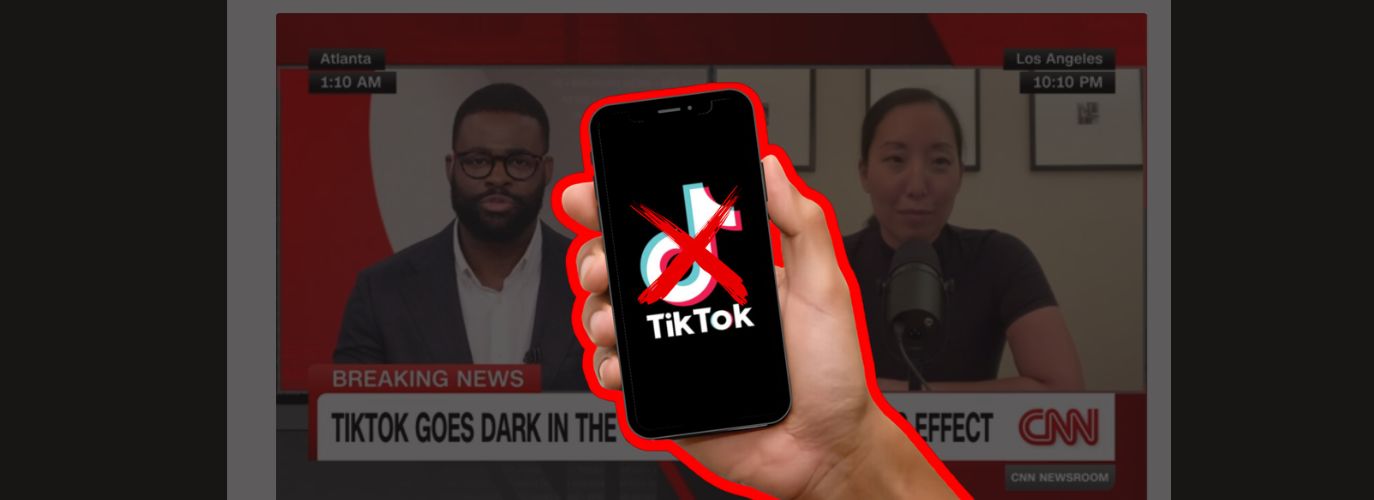
As social media continues to dominate the digital space, one app that has risen to prominence is TikTok. With its short, engaging videos and massive global user base, TikTok has become an essential platform for businesses and influencers. However, recent discussions around TikTok bans have left many social media marketers, business owners, and content creators on edge.
In this blog, we explore the TikTok ban controversy and its potential impact on business marketing strategies. We’ll also discuss the broader implications for social media marketing and how businesses can navigate these challenges.
This blog was adapted from CNN’s coverage of the TikTok ban. You can read the full article here.
Over the last few years, TikTok has skyrocketed in popularity, with millions of daily active users globally. However, concerns over privacy issues, national security, and data privacy have fueled calls to ban TikTok in various countries, including the United States. Governments have raised concerns about data security and the app’s ties to China, which has led to increasing pressure to either ban or restrict access to TikTok in certain regions.
For businesses that have leveraged TikTok’s advertising platform and viral content style, this is a serious issue. A TikTok ban could potentially disrupt digital marketing campaigns, causing brands to rethink their social media strategies and explore alternative platforms.
TikTok’s ban would significantly impact businesses relying on TikTok for marketing. The platform’s unique format, featuring short-form video content, has proven to be highly effective for increasing brand visibility and engagement. With TikTok’s robust targeted advertising options, businesses can reach a younger, tech-savvy audience in creative ways that other platforms, like Facebook and Instagram, may not offer.
If the TikTok ban comes to fruition, businesses will need to adapt quickly by shifting their focus to other platforms. This may involve adjusting their content marketing strategies to include Instagram Reels, YouTube Shorts, or Snapchat, which offer similar short-video formats. Additionally, brands may need to refocus their advertising budgets to make up for the potential loss of reach on TikTok.
While the outcome of the TikTok ban remains uncertain, it’s important for businesses to prepare for the possibility. Here are a few strategies businesses can implement to minimize the impact of the TikTok ban:
Diversify Your Social Media Strategy: Don’t put all your eggs in one basket. Incorporate multiple social media platforms into your marketing plan. This will help ensure that your brand continues to reach its audience, even if one platform is restricted.
Invest in Other Short-Form Video Platforms: As TikTok’s popularity surged, other platforms like Instagram Reels and YouTube Shorts gained traction. These platforms offer similar short-form video features, allowing brands to create engaging content in different ways.
Focus on Community Building: TikTok excels in creating a sense of community through trends and challenges. Building a strong, engaged community on Facebook, Instagram, or even LinkedIn will help maintain customer loyalty regardless of platform changes.
Prepare for Increased Demand for Influencer Marketing: TikTok has become a hub for influencer marketing. If the platform is banned, businesses can focus more on Instagram and YouTube influencers to maintain their reach.
The Philippines has seen a massive growth in TikTok users, with millions of Filipinos turning to the platform for entertainment, creative expression, and business opportunities. A potential TikTok ban would affect Philippine TikTok users, both consumers and businesses, in several ways:
Disruption of Content Creation: Filipino influencers, content creators, and businesses that depend on TikTok to reach a wide audience could face a loss in visibility and engagement. The ban would force them to pivot to alternative platforms, which may not offer the same engagement or creative opportunities.
Business Impact: Many Filipino brands, from small businesses to larger companies, use TikTok to market products and services. A ban would limit their ability to use TikTok’s unique advertising features, forcing them to find new ways to engage their audience and market their products on other platforms.
Shifts in Consumer Behavior: With TikTok being a primary source of entertainment, trends, and viral challenges, a ban could shift Filipino consumers’ attention to other platforms like Instagram Reels, YouTube Shorts, or Snapchat, potentially changing how content is consumed in the country.
Philippine users would need to adjust to these potential disruptions, and businesses must start exploring other ways to engage their audience and maintain their online presence.
The potential ban of TikTok raises important questions about the future of social media advertising. As we shift towards more regulation and data protection laws globally, businesses may need to adjust their advertising strategies to meet new compliance standards. Understanding data privacy laws and how they impact marketing campaigns will be crucial for businesses navigating the post-TikTok era.
While the future of TikTok remains uncertain, the impact of a TikTok ban on businesses and social media marketing cannot be ignored.
As a business owner or marketer, it’s essential to stay ahead of the curve by diversifying your social media presence and adapting to changes in the digital landscape.
With the right strategies and a focus on alternative social media platforms, businesses can continue to engage their audience and drive growth, regardless of the outcome of the TikTok ban debate.
Stay connected with the latest social media trends to ensure your marketing strategies remain effective and compliant with evolving regulations. And by staying informed and proactive, businesses can turn challenges into opportunities in the ever-changing world of digital marketing.